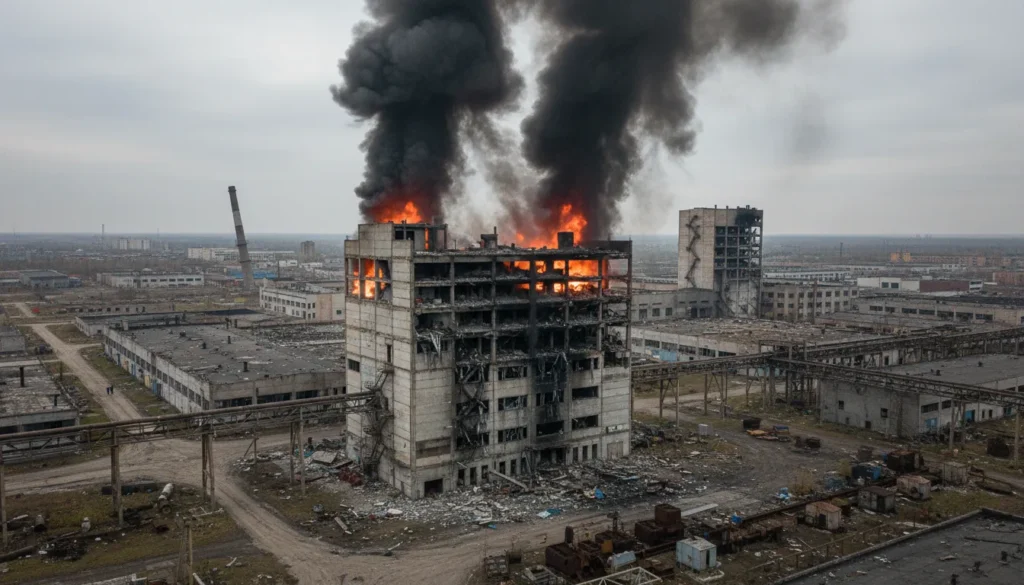

The ongoing conflict between Russia and Ukraine has seen a dangerous escalation in the form of russia ukraine drone attacks. These unmanned aerial assaults are increasingly targeting critical infrastructure, pushing both nations closer to a point of no return. This article examines the strategic objectives, the evolving technology, and the devastating impact on maritime trade and global economies. In particular, we’ll delve into Ukraine’s calculated strikes on Russian energy assets and industrial complexes, coupled with Russia’s retaliatory attacks on Ukrainian ports and power grids. Understand the military and economic dimensions of this modern drone warfare and its long-term consequences for regional stability and international relations.
Summary
- Escalating Conflict: Russia Ukraine Drone Attacks Target Key Infrastructure
- Ukraine’s Drone Offensive: Targeting Russian Energy and Industrial Assets
- Russia’s Retaliation: Drone Strikes on Ukrainian Ports and Energy Facilities
- Impact on Maritime Trade: Drones in the Azov Sea and Danube River
- Analyzing the Strategic Objectives: Military and Economic Dimensions of Drone Warfare
- Evolving Drone Technology and Tactics in the Russia-Ukraine War
- Conclusion
Escalating Conflict: Russia Ukraine Drone Attacks Target Key Infrastructure
The conflict between Russia and Ukraine has intensified, indeed, marked by increased drone attacks targeting critical infrastructure. Recent weeks have seen a surge in these offensives; correspondingly, both nations are employing unmanned aerial vehicles to strike strategic assets deep within enemy territory. Therefore, these escalating actions signify a dangerous phase in the war, thus raising concerns about broader destabilization and potential humanitarian crises.
Ukraine has focused its drone operations on disrupting Russia’s energy sector, such as targeting oil refineries and storage facilities. These attacks aim to diminish Russia’s capacity to fund its military operations and disrupt supply chains. Consequently, the consequences of these strikes include:
- Fuel shortages in key regions
- Increased prices for consumers
- Disruptions to military logistics
- Damage to critical infrastructure
- Potential environmental hazards
Russia, in response, has been concentrating its drone strikes on Ukrainian port infrastructure and grain storage facilities. This strategy seeks to undermine Ukraine’s ability to export agricultural products, which is a vital source of revenue for the nation. In effect, such attacks exacerbate global food security concerns and inflict severe economic damage on Ukraine. Furthermore, Russia’s targets encompass:
- Energy grids
- Industrial plants
- Bridges and transportation hubs
- Military bases
- Government buildings
These mutual offensives underscore a concerning trend towards infrastructure warfare, where civilian assets become legitimate targets. In light of this, the use of drones in these attacks adds a layer of complexity, as they are relatively inexpensive, difficult to detect, and can inflict significant damage. For this reason, this aspect of the conflict highlights the urgent need for international efforts to de-escalate tensions and protect essential infrastructure from further destruction. Likewise, the reliance on unmanned systems indicates a move towards protracted engagements with reduced direct human involvement, further complicating prospects for peace.
Ukraine’s Drone Offensive: Targeting Russian Energy and Industrial Assets
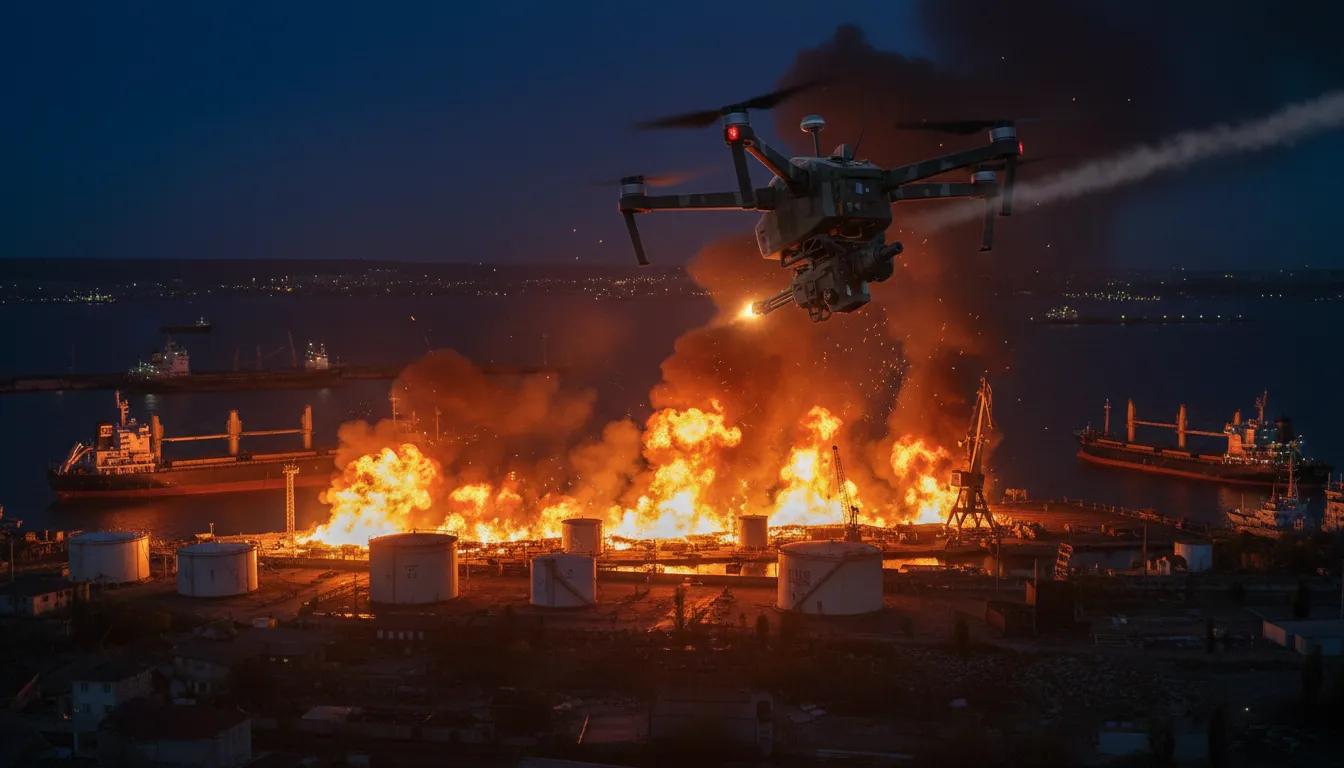
Ukraine has intensified its drone attacks, strategically targeting Russian energy and industrial assets. Particularly, this offensive aims to disrupt Russia’s supply chains and diminish its capacity to sustain military operations. In effect, these attacks have extended beyond the immediate conflict zone, reaching deep into Russian territory and impacting key infrastructure.
The focus on energy facilities is particularly significant. By targeting oil refineries, storage depots, and power plants, Ukraine seeks to cripple Russia’s ability to fuel its war machine and generate revenue. In the same way, such attacks have led to temporary shutdowns and fuel shortages in certain regions, causing economic disruption. The selection of targets indicates a calculated effort to maximize impact while minimizing civilian casualties.
Industrial assets are also under scrutiny, along with drone strikes aimed at factories producing military equipment and components. The goal is to degrade Russia’s manufacturing capabilities, thus making it harder to replace lost or damaged hardware on the battlefield. These facilities often support the production of critical items such as:
- Ammunition
- Armored vehicles
- Electronic warfare systems
- Missile components
- Surveillance equipment
Ukraine’s drone capabilities have evolved significantly throughout the conflict, showcasing innovation and adaptability. As an illustration, the drones are now equipped with advanced navigation systems, increased payload capacity, and improved range. By the same token, the effectiveness of these drones in penetrating Russian air defenses highlights a growing asymmetry in technological capabilities. Russia has struggled to effectively counter these attacks, leading to calls for improved air defense systems and electronic warfare measures.
These operations demonstrate Ukraine’s strategic shift towards asymmetric warfare, leveraging technology to offset Russia’s numerical and material advantages. Consequently, this process has forced Russia to divert resources to protect critical infrastructure, thereby diluting its military efforts elsewhere. Ukraine’s persistent drone offensive underscores its determination to inflict economic and industrial damage, weakening Russia’s capacity to wage war. Automação Teste continues to monitor these developments, providing up-to-date analysis on the evolving dynamics of the conflict.
Russia’s Retaliation: Drone Strikes on Ukrainian Ports and Energy Facilities
Following the Ukrainian drone attacks, Russia intensified its own aerial assaults, primarily targeting Ukrainian port infrastructure and energy facilities. These strikes appeared to be a direct response, aiming to cripple Ukraine’s export capabilities and power supply. The attacks focused on key ports along the Black Sea and the Danube River, vital for grain shipments. Disruption of these ports has global implications, particularly for food security in countries reliant on Ukrainian grain exports.
The Russian military employed a combination of drones and missiles in these retaliatory strikes. Drones were used for reconnaissance, identifying vulnerable points and potentially overwhelming Ukrainian air defenses before missile strikes. This tactic allowed Russia to maximize the impact of its attacks while minimizing its own losses. The strikes caused significant damage to storage facilities, loading equipment, and other port infrastructure, effectively reducing Ukraine’s capacity to export grain and other commodities.
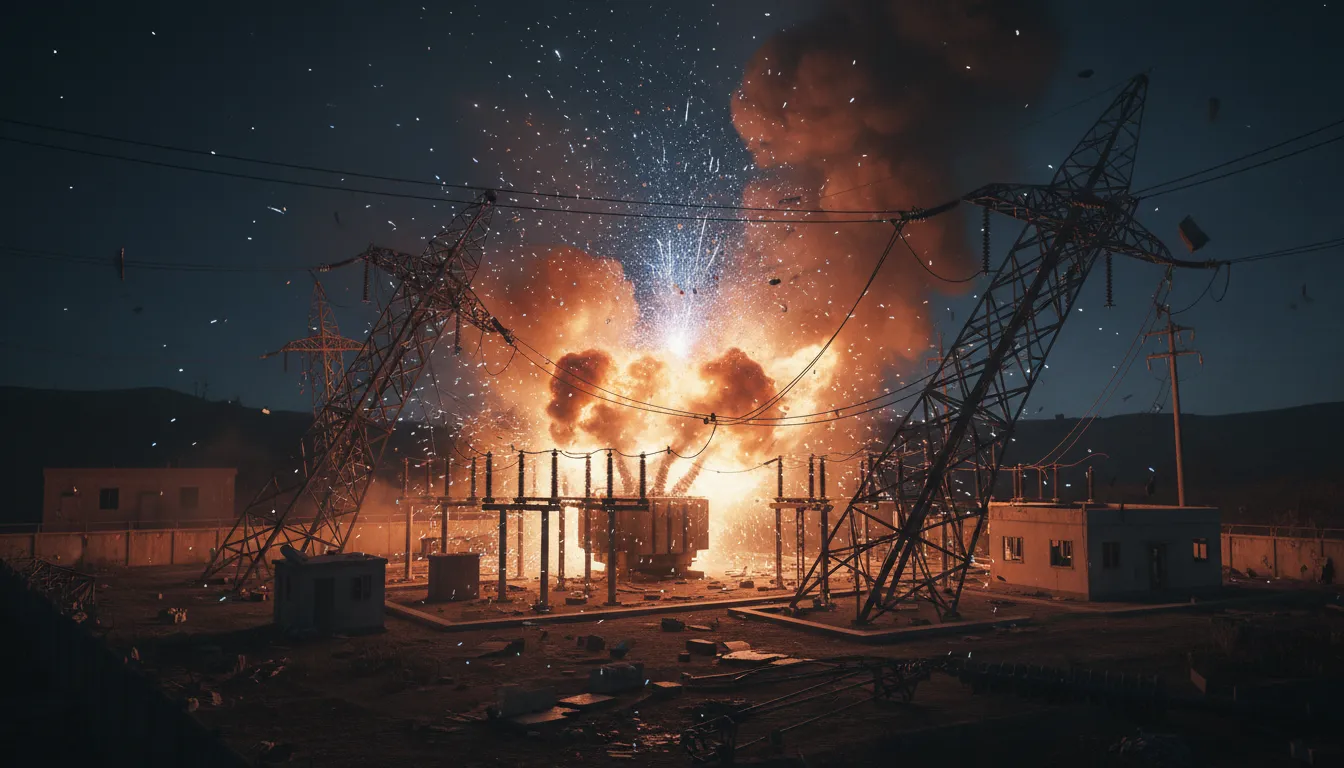
Energy facilities also became prime targets, with power plants and transmission lines across Ukraine experiencing heavy bombardment. These attacks aimed to destabilize the Ukrainian energy grid, causing widespread power outages and disrupting industrial production. The destruction of these facilities further strains Ukraine’s already weakened economy, creating additional challenges for the government. Russia’s strategy appears designed to weaken Ukraine’s infrastructure and economy, making it more difficult for the country to sustain its war effort.
The specific targets of these drone and missile strikes included:
- Grain storage terminals in Odesa and Mykolaiv.
- Port infrastructure along the Danube River.
- Power plants supplying electricity to major cities.
- Fuel storage depots.
- Bridges and transportation hubs.
The ongoing attacks highlight the escalating nature of the conflict and the increasing reliance on drone warfare by both sides. These strikes demonstrate a clear effort to inflict economic damage and weaken the opponent’s ability to sustain the conflict. The situation remains volatile, with continued attacks expected as each side seeks to gain an advantage. Automation Test closely monitors these developments to provide insightful analysis.
Impact on Maritime Trade: Drones in the Azov Sea and Danube River
The intensified use of drones in the Azov Sea and Danube River has significantly disrupted maritime trade, creating a ripple effect across global supply chains. These waterways are crucial for the transport of grain, steel, and other commodities. Any impediment to their function leads to higher shipping costs, insurance premiums, and delays, impacting consumers worldwide.
The presence of drones, whether for reconnaissance or direct attacks, introduces a high level of uncertainty and risk. Commercial vessels operating in these areas face several challenges:
- Increased insurance costs due to higher risk assessment.
- Delays in transit due to rerouting and security checks.
- Potential damage to vessels from drone attacks or countermeasures.
- Reduced cargo capacity as shipping companies try to minimize losses.
- Difficulties in securing crews willing to work in such volatile zones.
Ports along the Azov Sea and Danube River are operating at reduced capacity, causing bottlenecks in the movement of goods. This situation exacerbates existing global supply chain issues and contributes to inflationary pressures. The economic consequences are far-reaching, affecting not only Russia and Ukraine but also countries that rely on these trade routes.
Furthermore, the use of drones raises concerns about maritime security and the potential for escalation. It has led to increased military presence and surveillance, adding to the complexity of the situation. The long-term implications of this on maritime trade remain uncertain, but it is clear that they pose a significant threat to the stability and efficiency of global commerce. Continued monitoring and adaptive strategies are essential to mitigate the risks and minimize the disruption.
Analyzing the Strategic Objectives: Military and Economic Dimensions of Drone Warfare
The strategic objectives behind the intensified drone warfare between Russia and Ukraine are multifaceted, encompassing both military and economic dimensions. Militarily, drones serve as reconnaissance tools, providing real-time intelligence on enemy positions, troop movements, and equipment deployments. This enhances situational awareness and allows for more effective targeting, minimizing risks to manned aircraft and ground forces. Offensively, drones are employed to degrade the adversary’s military capabilities by striking critical infrastructure, such as command centers, ammunition depots, and logistical hubs. They also play a key role in disrupting enemy supply lines and communication networks, weakening their overall fighting capacity. This is a complex audit.
Economically, the use of drones aims to cripple the opponent’s industrial base and energy sector, thereby undermining their ability to sustain the war effort. Attacks on industrial facilities disrupt production and supply chains, leading to economic losses and shortages of essential goods. Targeting energy infrastructure, such as power plants and oil refineries, seeks to cripple the enemy’s energy supply, impacting both military operations and civilian life. The costs associated with repairing and replacing damaged infrastructure place a significant strain on the enemy’s economy, further weakening their capacity to wage war. The ability to perform this checkup is critical.
The strategic goals can be summarized as follows:
- Intelligence gathering and surveillance
- Degradation of military infrastructure
- Disruption of supply lines and communications
- Economic disruption through industrial and energy sector attacks
- Erosion of public morale and support for the war
This process showcases the intricate relationship between military strategy and economic warfare. These attacks are a verification of military strength and strategic capability.
Evolving Drone Technology and Tactics in the Russia-Ukraine War
The Russia-Ukraine conflict has become a significant proving ground for drone technology, with both sides rapidly adapting and innovating their drone warfare strategies. Initially, commercially available drones were utilized for reconnaissance and basic targeting. Nevertheless, as the conflict progressed, their employment has become increasingly sophisticated. This evolution encompasses not only the hardware but also the tactics used in deployment and counter-drone measures.
One notable trend is the increased use of first-person view (FPV) drones, which are often modified for kamikaze attacks. These drones, typically costing a few hundred dollars, can deliver explosives with precision, targeting vehicles, fortifications, and even personnel. The accessibility and affordability of these drones have made them a ubiquitous element on the battlefield. Furthermore, advancements in drone technology have facilitated longer-range strikes and improved payload capacity. Automação Teste closely monitors these advancements to anticipate future trends in automated warfare.
Counter-drone tactics have also evolved in response. Initially, electronic jamming was a primary defense, disrupting the communication links between drones and their operators. Drone operators have adapted, however, by using frequency hopping and other countermeasures to mitigate jamming effects. Other counter-drone measures include:
- Netting systems to physically capture drones.
- Shotgun equipped soldiers.
- Directed energy weapons to disable drones.
- Radar systems to detect incoming drones.
- Trained dogs to locate drone operators.
The rapid pace of innovation in drone technology and tactics highlights the dynamic nature of modern warfare. As both sides continue to develop and deploy new drone capabilities, the conflict is likely to see further escalations in the use of unmanned systems.
Conclusion
The intensified drone warfare between Russia and Ukraine marks a significant escalation in the conflict, with far-reaching consequences for both nations and the global community. The strategic targeting of critical infrastructure, including energy facilities, industrial assets, and port infrastructure, highlights the evolving nature of modern warfare and the increasing reliance on unmanned systems. These attacks not only inflict immediate economic damage but also undermine long-term stability and exacerbate existing geopolitical tensions.
Ukraine’s drone offensive demonstrates its ability to innovate and adapt, leveraging technology to offset Russia’s military advantages. By targeting key sectors of the Russian economy, Ukraine aims to weaken Russia’s capacity to sustain its military operations. Conversely, Russia’s retaliatory strikes on Ukrainian ports and energy facilities underscore the vulnerability of critical infrastructure and the potential for widespread disruption. The impact on maritime trade, particularly in the Azov Sea and Danube River, further complicates the situation, creating bottlenecks in global supply chains and contributing to inflationary pressures.
The evolving drone technology and tactics employed by both sides underscore the dynamic nature of modern warfare. As drone capabilities continue to advance, the conflict is likely to see further escalations in the use of unmanned systems. The need for effective counter-drone measures and international efforts to de-escalate tensions is more critical than ever. To stay informed on automated warfare and evolving military tech, visit Automação Teste for up-to-date analysis and insights. The ongoing exchange of russia ukraine drone attacks highlights the urgent need for diplomatic solutions and a commitment to protecting civilian infrastructure from further destruction.