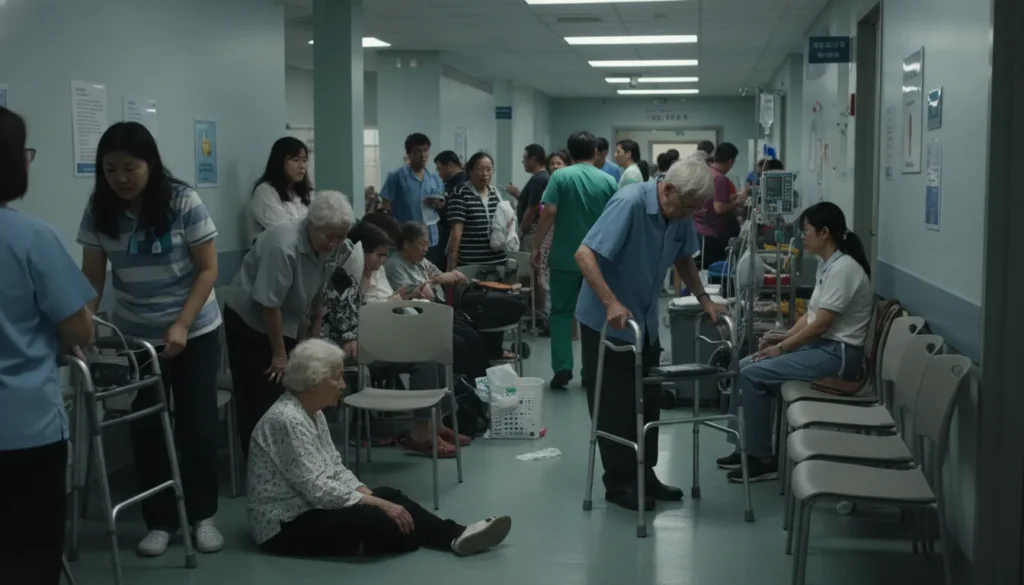

Emergency rooms often fail to adequately address the needs of elderly patients, particularly those aged 75 and older. This issue was highlighted in a discussion with Dr. Pedro Kallas Curiati, a specialist in geriatrics and gerontology at the Faculdade Sírio-Libanês. He pointed out that traditional emergency care models are not well-suited for complex geriatric cases.
Dr. Curiati emphasized that older adults frequently exhibit atypical symptoms during acute illnesses. For instance, around 40% of elderly patients do not show classic signs of urgent medical conditions. A heart attack might occur without the typical chest pain, making these atypical presentations paradoxically common.
The aging process leads to several physiological changes that complicate diagnosis. Alterations in the central nervous system can result in a muted fever response and reduced pain perception. Kidney function declines, increasing vulnerability to health issues, while the heart’s response to stressors, whether physical or psychological, is diminished. Changes in body composition and metabolism affect how medications are processed, and pre-existing cognitive impairments can obscure symptom reporting.
Polypharmacy, or the use of multiple medications, is prevalent among the elderly, heightening the risk of drug interactions and adverse effects that can mimic or worsen illnesses. At the Hospital Sírio-Libanês, individuals over 75 account for nearly half of all admissions, prompting the development of the ProAGE (Pronto Atendimento Geriátrico Especializado) model to better cater to their needs.
The ProAGE model incorporates a multidisciplinary approach, assessing factors like age, physical impairment, weight loss, exhaustion, mental state changes, and recent hospitalizations. Environmental adaptations, such as adjustable lighting, noise reduction, large-numbered clocks, and personal sound amplifiers, are also implemented to enhance patient comfort.
