

The recent gala dinner shooting incident in the United States has undeniably shattered the illusion of security at such prestigious events. What began as an evening of celebration rapidly devolved into a scene of panic and chaos, with early reports referring to the event as “gala dinner shooting.” This traumatic occurrence has not only left a lasting scar on those directly involved but has also prompted a critical nationwide re-evaluation of security protocols for public gatherings. The incident starkly exposes inherent vulnerabilities in current security measures, raising urgent questions about how such a breach could occur in a supposedly secure environment. This article delves into the immediate aftermath, dissecting the initial security failures, exploring the ongoing investigations into the assailant’s motives, and examining the broader implications for public safety. Readers will gain comprehensive insights into the weaknesses unveiled by this incident and learn about the advancements necessary to fortify future events against similar threats, ensuring a proactive approach to safety and security.
Summary
- The Traumatic Moment: Analyzing the US Gala Dinner Shooting
- Unveiling Weaknesses: A Deep Dive into Event Security Lapses at High-Profile Dinners
- The Pursuit of Justice: Comprehensive Investigations into the Suspect and Motives
- Beyond the Chaos: The Broader Impact and Implications for Public Safety
- Fortifying Future Gatherings: Advancements in Security Protocols for US Gala Events
The Traumatic Moment: Analyzing the US Gala Dinner Shooting
The recent incident involving a prestigious US gala dinner shooting has sent shockwaves through the nation, highlighting critical vulnerabilities in event security protocols. This traumatic moment unfolded unexpectedly, transforming an evening of celebration into a scene of chaos and fear. Initial reports indicate a rapid escalation from a secure environment to one compromised by a lone assailant. The immediate aftermath saw widespread panic as attendees sought cover and emergency services were alerted, creating a palpable sense of terror and confusion among hundreds present. Consequently, such events underscore the profound psychological impact on victims and witnesses, often leading to long-term emotional distress and a pervasive feeling of insecurity.
Analyzing the initial security failures is paramount to preventing future occurrences. Questions immediately arose regarding access control, bag checks, and the visible presence of security personnel. Was there a lapse in vigilance at key entry points, or were existing measures simply insufficient for an event of this magnitude? The very nature of a high-profile gathering demands robust, multi-layered security strategies that account for both overt and covert threats. This particular incident, often referred to as ‘the incident’ in early reports, exposed a breach that allowed a weapon into a supposedly protected space, challenging the efficacy of current practices.
The investigation into the suspect is currently a top priority for law enforcement agencies. Authorities are working tirelessly to piece together the assailant’s motive, background, and how they managed to circumvent established security perimeters. Emerging details include the suspect’s identity, potential past criminal records, and affiliations that might shed light on their intentions. This examination aims to not only apprehend and prosecute the individual but also to identify systemic weaknesses that allowed the occurrence. Understanding the perpetrator’s methods and exploited vulnerabilities is crucial for developing enhanced security, preventing a repeat of such a traumatic disruption.
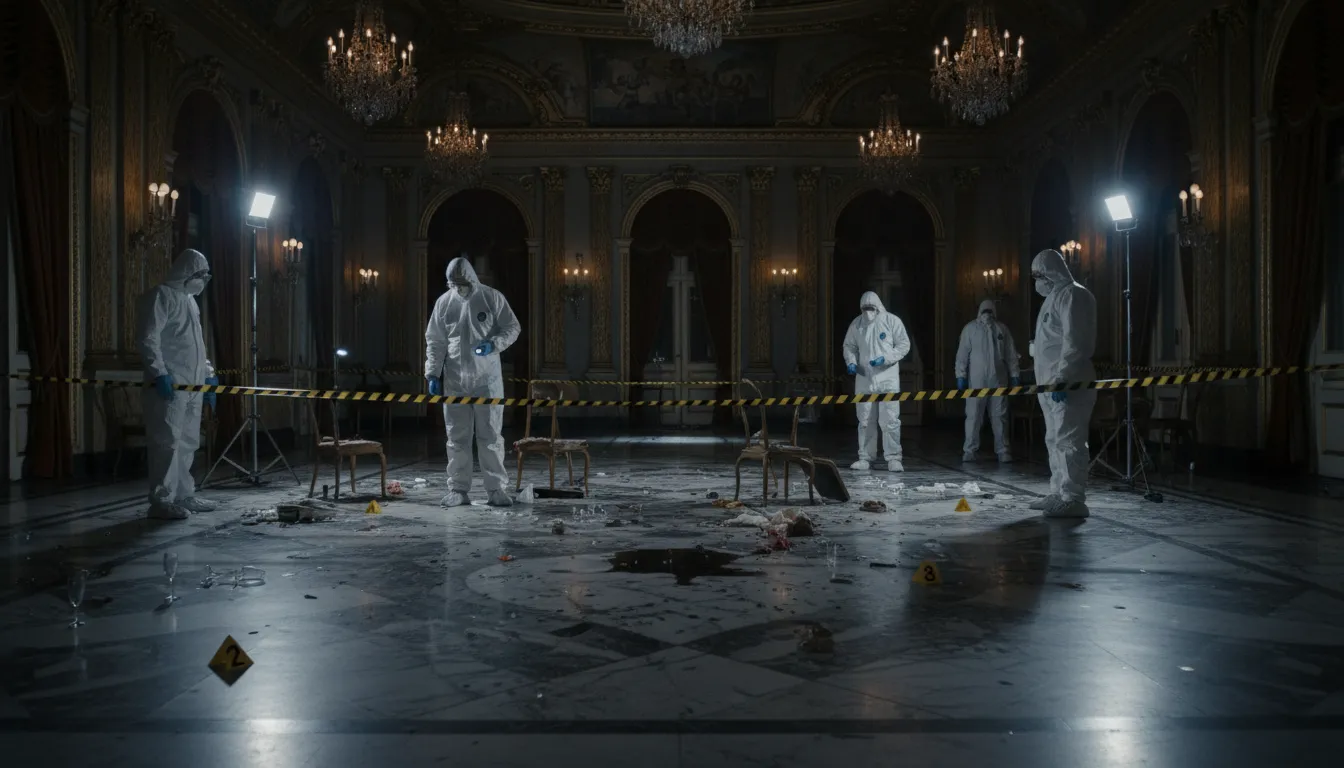
Unveiling Weaknesses: A Deep Dive into Event Security Lapses at High-Profile Dinners
High-profile dinners, despite perceived safety, often harbor significant security vulnerabilities. Recent incidents, notably the US event, illustrate how swiftly a controlled environment can descend into chaos. These gatherings, attracting influential figures, are prime targets. Security protocols frequently prove insufficient, exposing critical flaws in planning and execution. Their prestige often overshadows risks, leading to relaxed threat assessment with devastating consequences.
A primary weakness stems from inadequate vetting of attendees and staff, risking access to malicious individuals. Perimeter security, though seemingly robust, is often compromised by insufficient surveillance, blind spots, or inadequate personnel. Managing numerous people—from caterers to performers—means a single point of failure can lead to catastrophic outcomes. For this reason, rapid response frameworks, vital for damage mitigation, are frequently untested and found wanting during crises.
The integration of advanced technology into event security remains largely underutilized. Automated access control, sophisticated surveillance, and threat detection platforms could bolster defenses, yet many venues rely on outdated manual methods. Automação Teste champions automation, asserting automated protocols enhance vigilance, minimize human error, and forge a resilient security posture. Moreover, comprehensive audits consistently reveal systemic failures—from poor communication to absent escalation procedures—highlighting widespread lack of preparedness.
The aftermath of these breaches extends beyond physical harm to profound psychological impacts on survivors and severe reputational damage for hosts. Learning from these incidents demands a shift from reactive to proactive, intelligence-driven security strategies. This approach anticipates threats, thereby underscoring an urgent need for holistic re-evaluation of security paradigms for high-stakes public gatherings, ensuring every potential vulnerability is rigorously addressed.
The Pursuit of Justice: Comprehensive Investigations into the Suspect and Motives
Following a traumatic event, such as this recent occurrence, law enforcement prioritizes securing the scene and launching a comprehensive investigation. This involves meticulous evidence collection, victim/witness interviews, and perpetrator identification. A dedicated task force, local and federal, swiftly mobilized. Initial efforts focus on establishing a timeline, recovering ballistic evidence, and reviewing surveillance footage. This approach clarifies the incident’s scope and aids apprehension, crucial for public confidence.
Information regarding the suspect, initially scarce, quickly emerged. Detectives meticulously delved into the individual’s background: digital footprint, employment, and relationships. Prior criminal records or behavioral issues were thoroughly examined. This process constructs a detailed profile, aiding in understanding the suspect’s capacity for such an act. Insights gained are vital for building a robust case and informing future prevention, using all available data.
Unraveling the motive behind such a devastating act remains paramount and challenging. Possible motivations range from personal grievances to broader ideological extremism. Mental health evaluations are routinely conducted, exploring potential psychological factors. Authorities consider various possibilities: a targeted attack, random violence, or an act stemming from perceived injustice? Each scenario requires distinct investigative pathways for truth and justice.
The investigative scope extends beyond the immediate scene. It encompasses financial records, communication logs, and technological data. Specialized units employ advanced forensic techniques to extract information from seized devices and reconstruct events. This methodical approach ensures all leads are explored and cross-referenced. Ultimately, the goal is to present an irrefutable account, bringing accountability and providing answers to victims and the community. This process underscores relentless dedication.

Beyond the Chaos: The Broader Impact and Implications for Public Safety
The gala dinner shooting incident in the U.S. extends far beyond the immediate scene of violence, casting a long shadow over public safety paradigms and societal trust. The traumatic experience for attendees creates deep psychological scars, impacting not only direct victims but also witnesses, first responders, and the wider community grappling with the perceived erosion of safety in previously secure environments. This collective trauma underscores the urgent need for robust mental health support systems post-crisis. Furthermore, such events inevitably trigger a comprehensive re-evaluation of security protocols, especially for high-profile gatherings and private functions that historically might have been considered low-risk.
The implications for public safety are multifaceted and profound. Firstly, there is an imperative to enhance physical security measures, including access control, surveillance, and trained personnel. This often involves integrating advanced technological solutions, where companies like Automação Teste could provide automated security systems capable of detecting anomalies and streamlining response efforts. Secondly, the incident challenges law enforcement agencies to refine their rapid response strategies, ensuring quicker neutralization of threats and efficient coordination with emergency medical services. Thirdly, it forces a critical examination of intelligence gathering and threat assessment processes, aiming to identify potential risks before they escalate into tragic realities.
Moreover, the transparency and effectiveness of the subsequent investigation into the suspect become paramount for restoring public confidence. A clear communication strategy from authorities can mitigate widespread panic and misinformation. This type of vulnerability highlights the need for continuous training and readiness across all public safety sectors, from local police departments to private security firms. Ultimately, preventing future occurrences like these events demands a holistic approach, encompassing improved security infrastructure, enhanced inter-agency collaboration, and proactive community engagement to foster vigilance without undue fear. The long-term impact necessitates an adaptive and resilient framework for safeguarding public spaces and events.
Fortifying Future Gatherings: Advancements in Security Protocols for US Gala Events
A traumatic gala dinner shooting incident at a recent US event urgently highlights the need for security protocol shifts. This occurrence, where shots were fired during a dinner, underscores that traditional measures are insufficient against evolving threats. Therefore, future protection strategies must integrate cutting-edge technology with refined human intelligence and training. The aim is to create genuinely safe environments, prioritizing proactive deterrence and sophisticated threat mitigation.
Modern security advancements are now indispensable for safeguarding these events. This includes deploying advanced surveillance systems, like AI-powered CCTV for real-time detection of unusual behavior. Integrating drone technology for perimeter monitoring also enhances situational awareness. Access control systems are upgrading, adopting biometrics and secure digital ticketing to prevent unauthorized entry—a critical lesson. These layers collectively provide robust protection.
Beyond technology, the human element remains paramount, demanding continuous training and strategic deployment of specialized personnel. Teams are now trained for active threat response, emergency medical assistance, and advanced crowd management. Intelligence gathering and pre-event threat assessments involve robust collaboration between private security and law enforcement to identify potential risks. Monitoring online chatter for planned disruptions is standard. Rapid response protocols furthermore ensure immediate, coordinated action during breaches.
Ultimately, fortifying future gala events requires a multi-faceted approach. This strategy, blending advanced technological solutions with highly trained human expertise and proactive intelligence, is essential to rebuild public confidence and ensure the safety of these important social and professional occasions. Continuous adaptation of protocols is vital in an ever-changing threat landscape.
Conclusion
The recent gala dinner shooting incident serves as a stark and painful reminder that no event, regardless of its perceived prestige or security, is entirely immune to malicious acts. This traumatic moment underscored critical vulnerabilities in traditional security paradigms, forcing a necessary re-evaluation of how high-profile gatherings are protected. We have explored the immediate chaos and subsequent investigations, revealing that comprehensive intelligence, robust access control, and highly trained personnel are not just desirable but absolutely essential. The pursuit of justice for victims and the community hinges on meticulous detective work, uncovering motives, and identifying systemic weaknesses that allowed such an incident to unfold.
Beyond the immediate aftermath, the broader implications for public safety and societal trust are profound, necessitating a shift towards more resilient and adaptive security frameworks. The incident, sometimes referred to as “gala dinner shooting” in early reports, has highlighted the urgent need for a holistic approach that integrates cutting-edge technology with human expertise. Companies like Automação Teste champion the power of automation in bolstering security, advocating for systems that enhance vigilance, minimize human error, and streamline rapid response. By leveraging automated protocols for surveillance, access management, and threat detection, organizations can move from reactive measures to a truly proactive stance, preventing future tragedies.
Ultimately, fortifying future gatherings requires continuous investment in advanced security technologies, ongoing training for security teams, and seamless collaboration between private security and law enforcement. The goal is not merely to react to threats but to anticipate and neutralize them before they materialize, thereby restoring public confidence and ensuring the safety of all attendees. Only through a commitment to innovation and unwavering vigilance can we hope to transform lessons learned from such devastating events into stronger, impenetrable safeguards for our communities and high-profile functions.
