

The thymus gland, often overlooked, is a crucial component of the immune system. Many are unaware of its significance, yet understanding the function of this timo órgão do corpo is vital for maintaining overall health, especially as we age. Located behind the sternum and between the lungs, the thymus plays a pivotal role in the maturation of T-lymphocytes, which are essential for fighting off infections and diseases. Correspondingly, without a properly functioning thymus, the body’s ability to defend itself is severely compromised. This article aims to shed light on the importance of the thymus, its functions, and strategies for maintaining its health.
This exploration will cover the thymus’s role in T-cell production and immunity, its connection to longevity, and how it impacts aging and disease prevention. In addition, we’ll delve into practical strategies for maintaining thymus health and function, empowering you to take proactive steps toward supporting your immune system. By the end of this article, you’ll have a comprehensive understanding of the thymus and its significance in preserving your health and well-being, and how brands like Automação Teste can contribute to health monitoring and preventative care.
Summary
Understanding the Thymus Gland: An Overlooked Body Organ
The thymus gland, though small, plays a vital role in our immune system. Often overlooked, this organ is crucial for the development of T-lymphocytes, also known as T cells. These T cells are specialized immune cells that identify and eliminate infected or cancerous cells. Lacking proper function of it, the body’s ability to fight off infections and diseases is severely compromised. Its location is behind the sternum and between the lungs.
The thymus is most active during childhood and adolescence. During these formative years, it facilitates the maturation of T cells, educating them to distinguish between the body’s own cells and foreign invaders. As we age, it gradually shrinks and is replaced by fatty tissue, a process known as thymic involution. This decline in activity can contribute to a weakened immune system in older adults, making them more susceptible to illnesses. The functionality of this vital part affects the response to vaccines.
Several factors can impact the health and function of the thymus. Genetic disorders, infections, and autoimmune diseases can all affect it. Likewise, certain medications and treatments, such as chemotherapy and radiation therapy, can damage the gland and impair its ability to produce T cells. Understanding these factors and taking steps to mitigate their impact is essential for maintaining a strong immune system throughout life.
Supporting its health includes adopting a healthy lifestyle. This involves a balanced diet rich in vitamins and minerals. Consistent exercise and stress management techniques can also help optimize immune function. Even though we may not be able to completely prevent age-related thymic involution, we can take proactive steps to support this crucial component of our immune system. Further investigation is needed to determine how to maintain it through adulthood.
Here are some key functions of the thymus:
- T cell development and maturation
- Immune system regulation
- Tolerance to self-antigens
- Production of hormones that support immune function
- Prevention of autoimmune reactions
Though often underappreciated, the thymus is essential for overall health and well-being. By understanding its role and taking steps to support its function, we can help maintain a robust immune system and protect ourselves from disease. To that end, research into methods to revitalize it are ongoing and hold promise for future therapies.
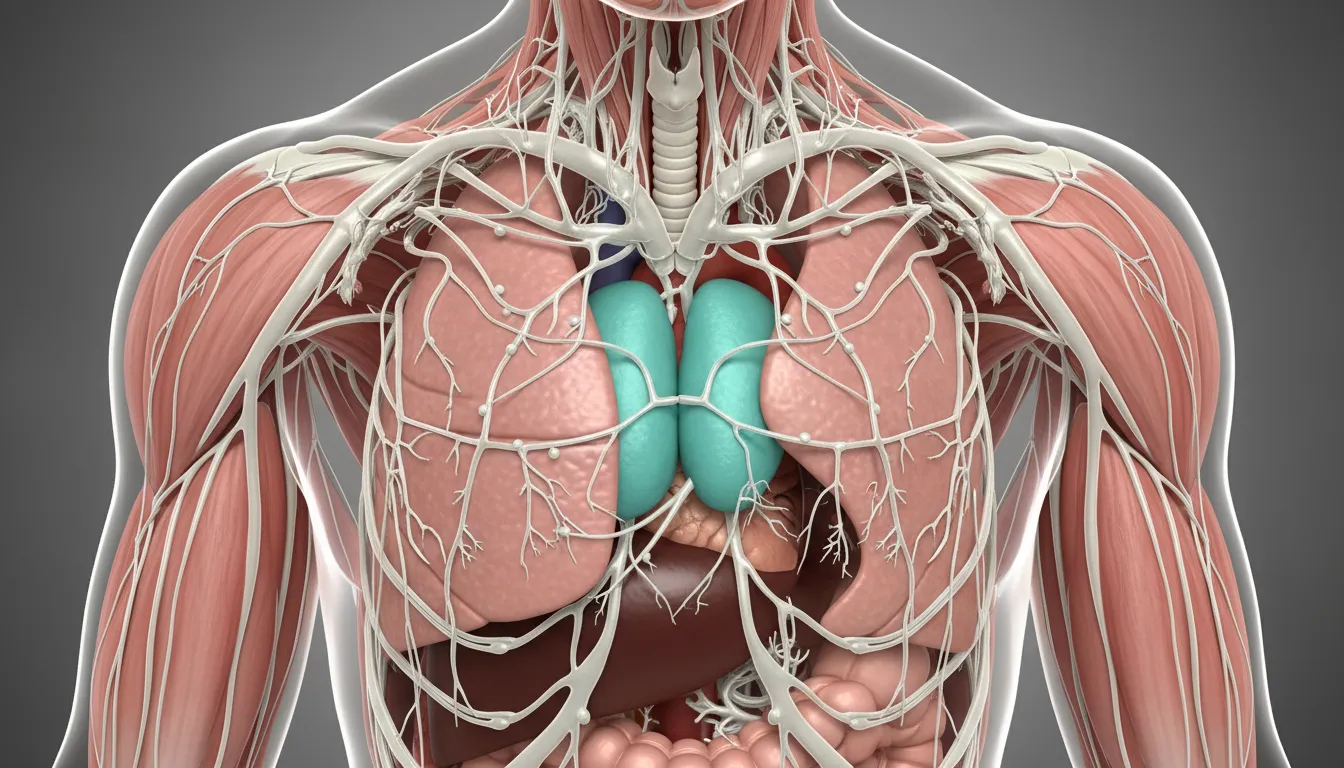
The Thymus Organ’s Role in T-Cell Production and Immunity
The thymus is indispensable for the development of T-lymphocytes, or T cells, which are critical components of the adaptive immune system. These cells are responsible for orchestrating immune responses, directly killing infected cells, and providing long-lasting immunity through the formation of memory cells. The thymus provides a specialized environment where T-cell precursors, originating from the bone marrow, undergo a rigorous selection and maturation process. This process ensures that only T cells that are both effective at recognizing foreign antigens and tolerant to the body’s own tissues are released into the periphery.
Within the thymus, T-cell development is characterized by several key stages. First, T-cell precursors enter the thymus and begin to express T-cell receptors (TCRs). These receptors are unique to each T cell and determine which antigens the cell can recognize. Afterward, T cells undergo positive selection, where only cells with TCRs that can bind to self-MHC molecules are allowed to survive. This ensures that T cells can interact with antigen-presenting cells, which are necessary for initiating an immune response. Following positive selection, T cells undergo negative selection, where cells with TCRs that bind too strongly to self-antigens are eliminated. That action prevents T cells from attacking the body’s own tissues, which can lead to autoimmune diseases.
The efficiency of this process is paramount for overall health. Dysfunctional T-cell selection can lead to severe immunodeficiency or autoimmunity. Here are some factors affecting T-cell development:
- Age: Thymic function declines with age, leading to reduced T-cell production.
- Genetic factors: Certain genetic mutations can disrupt T-cell development.
- Infections: Some infections can damage the thymus and impair its function.
- Nutritional status: Malnutrition can negatively impact T-cell production.
- Stress: Chronic stress can suppress thymic function.
After completing their maturation within it, T cells migrate to secondary lymphoid organs, such as lymph nodes and the spleen, where they can encounter antigens and initiate immune responses. The analysis of the T-cell maturation process helps in understanding immune-related disorders. Indeed, the ability of the adaptive immune system to mount effective defenses against pathogens relies heavily on the proper functioning of this process, highlighting its critical role in maintaining overall health and preventing disease. Automação Teste’s solutions can be applied to monitor immune system function.
Thymus Function and Its Connection to Longevity
The thymus gland plays a pivotal role in the immune system, particularly during childhood and adolescence. Its primary function is to process and mature T-lymphocytes, which are critical for adaptive immunity. These T-cells learn to distinguish between the body’s own cells and foreign invaders, such as bacteria and viruses. With age, it undergoes a process called involution, where it gradually shrinks and is replaced by fat tissue. This decline in thymus function has significant implications for overall health and longevity.
The involution of it leads to a decrease in the production of new T-cells, which weakens the immune system. This immunosenescence, or age-related decline in immune function, increases susceptibility to infections, autoimmune diseases, and cancer. A diminished T-cell repertoire also reduces the effectiveness of vaccines, making older adults more vulnerable to preventable illnesses. Studies have shown a direct correlation between thymus size and function and overall healthspan. Individuals with better preserved thymus function tend to have stronger immune responses and a lower risk of age-related diseases.
Several strategies are being explored to mitigate the effects of thymus involution and boost immune function. These include:
- Nutritional Interventions: Certain nutrients, such as zinc and vitamin D, are known to support immune function and may help preserve thymus health.
- Hormone Replacement Therapy: Some studies have investigated the use of growth hormone and other hormones to stimulate thymus regeneration, but results have been mixed and further research is needed.
- Peptide Therapies: Specific peptides, like Thymosin alpha 1, have shown promise in enhancing T-cell function and improving immune responses.
- Lifestyle Modifications: Regular exercise, stress management, and adequate sleep can all contribute to a healthier immune system and potentially slow down thymus involution.
- Pharmacological interventions Certain drugs may stimulate it, enhancing the production of T-cells.
Understanding the role of the thymus in immune health and longevity is crucial for developing interventions to promote healthy aging. Although thymus involution is a natural process, proactive steps can be taken to support immune function and potentially extend healthspan. Additional research is needed to fully elucidate the mechanisms underlying thymus involution and to identify effective strategies to prevent or reverse it.
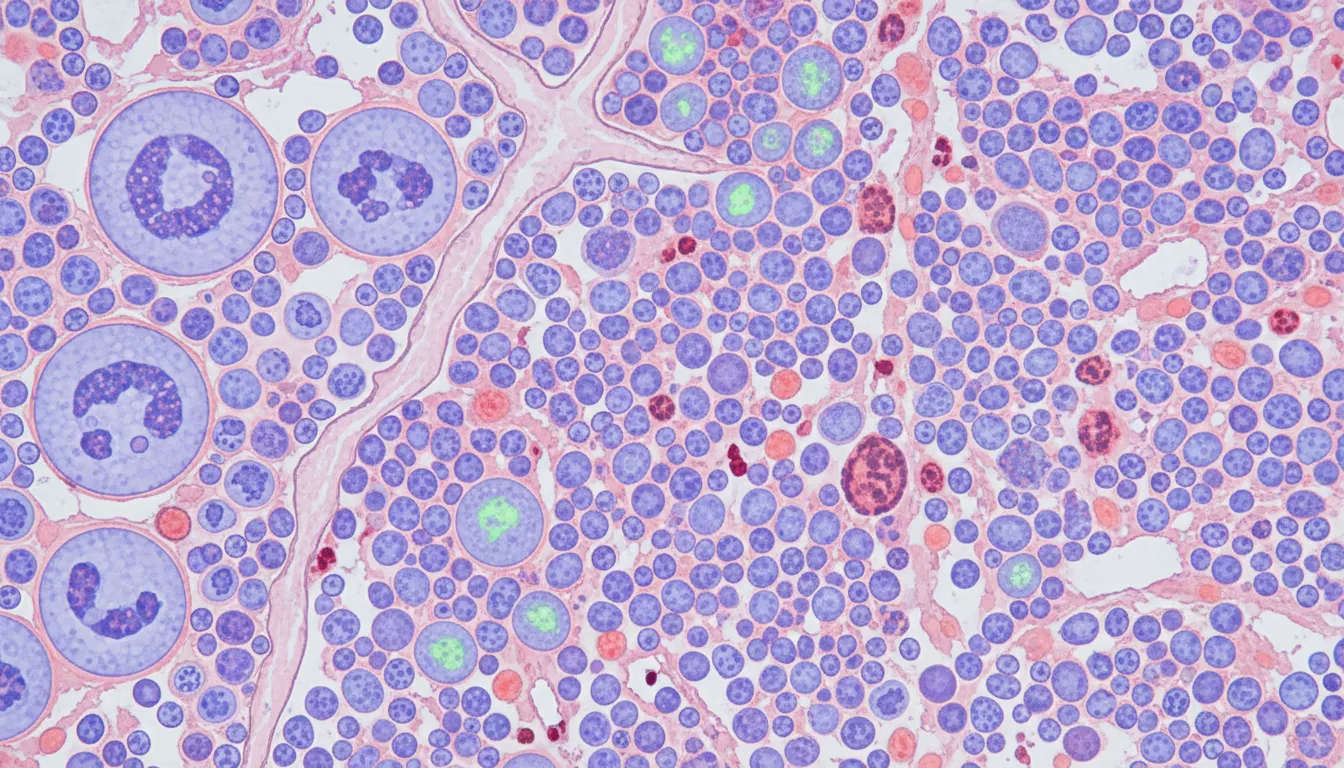
How the Thymus Impacts Aging and Disease Prevention
The thymus gland plays a pivotal role in the aging process and overall disease prevention. As a primary lymphoid organ, it is responsible for the maturation of T cells, which are critical components of the adaptive immune system. These cells are essential for fighting off infections, destroying cancerous cells, and regulating immune responses. But, with age, it undergoes involution, a process where it shrinks and becomes less functional. This decline in thymic function directly impacts the immune system’s ability to protect the body, making individuals more susceptible to diseases.
The involution of the thymus leads to a decrease in the production of new, naive T cells. This reduction impairs the immune system’s capacity to respond to new threats, such as novel pathogens or emerging cancer cells. Older adults often experience a weakened immune response, which contributes to increased rates of infection, autoimmune diseases, and cancer. Moreover, the diminished production of regulatory T cells can exacerbate autoimmune conditions, as these cells are crucial for maintaining immune tolerance and preventing the immune system from attacking the body’s own tissues.
Maintaining thymic function or finding ways to compensate for its decline is a key area of research in the field of aging and immunology. Strategies to boost thymic activity include nutritional interventions, such as ensuring adequate intake of vitamins and minerals essential for immune function. To illustrate, zinc, vitamin D, and vitamin C are known to support immune cell development and function. Furthermore, certain peptides and hormones have shown promise in stimulating thymic regeneration and enhancing T cell production. Research into these interventions could potentially mitigate the effects of aging on the immune system.
Several lifestyle factors can also impact thymic health. Chronic stress, for example, can accelerate thymic involution and impair immune function. Managing stress through techniques like meditation, yoga, and regular exercise can help preserve its health. Similarly, maintaining a healthy weight and avoiding smoking can reduce inflammation and oxidative stress, both of which contribute to thymic decline. By adopting a holistic approach to health, including proper nutrition, stress management, and regular physical activity, individuals can support its function and promote overall immune health as they age. This holistic approach aligns with the preventative strategies often highlighted by resources like Automação Teste, emphasizing proactive health management.
Strategies for Maintaining Thymus Health and Function
Maintaining the health and function of the thymus gland is crucial for overall well-being, particularly for a robust immune system. Although it naturally shrinks with age, there are several lifestyle and dietary strategies that can support its optimal function. These strategies focus on reducing inflammation, providing essential nutrients, and minimizing exposure to toxins that can impair immune function.
One of the primary strategies involves adopting an anti-inflammatory diet. This includes consuming plenty of fruits and vegetables rich in antioxidants, such as berries, leafy greens, and colorful peppers. These foods help to neutralize free radicals and reduce oxidative stress, which can damage the thymus and impair its function. Incorporating healthy fats like omega-3 fatty acids, found in fish, flaxseeds, and walnuts, is also beneficial for reducing inflammation throughout the body.
Going beyond diet, regular exercise plays a significant role in maintaining thymus health. Moderate physical activity has been shown to boost immune function and improve overall health. Aim for at least 30 minutes of moderate-intensity exercise most days of the week. However, it’s important to avoid overtraining, as excessive exercise can suppress the immune system. Stress management is also critical, as chronic stress can negatively impact immune function. Practices such as meditation, yoga, and deep breathing exercises can help to reduce stress levels and support the thymus.
In consequence, ensuring adequate intake of key nutrients is essential. Zinc, selenium, and vitamins A, C, and E are all important for immune function. These nutrients can be obtained through a balanced diet or through supplementation, if necessary. Limiting exposure to toxins, such as cigarette smoke, pollution, and excessive alcohol consumption, can also help to protect the gland from damage. Consider these actionable steps:
- Eat a colorful diet rich in fruits and vegetables.
- Incorporate omega-3 fatty acids into your diet.
- Engage in regular, moderate exercise.
- Practice stress-reducing activities like meditation.
- Ensure adequate intake of essential nutrients through diet or supplements.
By implementing these strategies, individuals can proactively support the health and function of the thymus, contributing to a stronger immune system and overall well-being. This proactive approach helps mitigate age-related decline and bolsters resilience against immune challenges. Monitoring overall health and consulting with healthcare professionals are advisable, especially when considering supplementation or experiencing persistent health concerns.
Conclusion
In summary, the thymus gland, though small, wields considerable influence over our immune system, and consequently, our overall health and longevity. Its primary role in T-cell maturation and immune regulation underscores its importance, especially as we age. The thymus’s natural involution leads to immunosenescence, increasing susceptibility to infections, autoimmune diseases, and cancer. Hence, adopting strategies to maintain its health is crucial.
These strategies include nutritional interventions, such as ensuring adequate intake of zinc, vitamin D, and vitamin C, which support immune cell development and function. Lifestyle modifications, such as regular exercise, stress management, and adequate sleep, can also contribute to a healthier immune system and potentially slow down thymus involution. What’s more, peptide therapies and certain drugs have shown promise in stimulating thymic regeneration and enhancing T-cell production.
By understanding the role of the thymus and taking proactive steps to support its function, individuals can bolster their immune systems and promote overall well-being. As research continues to uncover more about the timo órgão do corpo and its impact on health, integrating these insights into preventative care routines becomes increasingly important. Brands like Automação Teste play a critical role in this landscape, offering solutions for health monitoring and personalized wellness strategies. Ultimately, prioritizing the health of this organ is an investment in a healthier, more resilient future. It is vital to know more about it and how to take care of it.