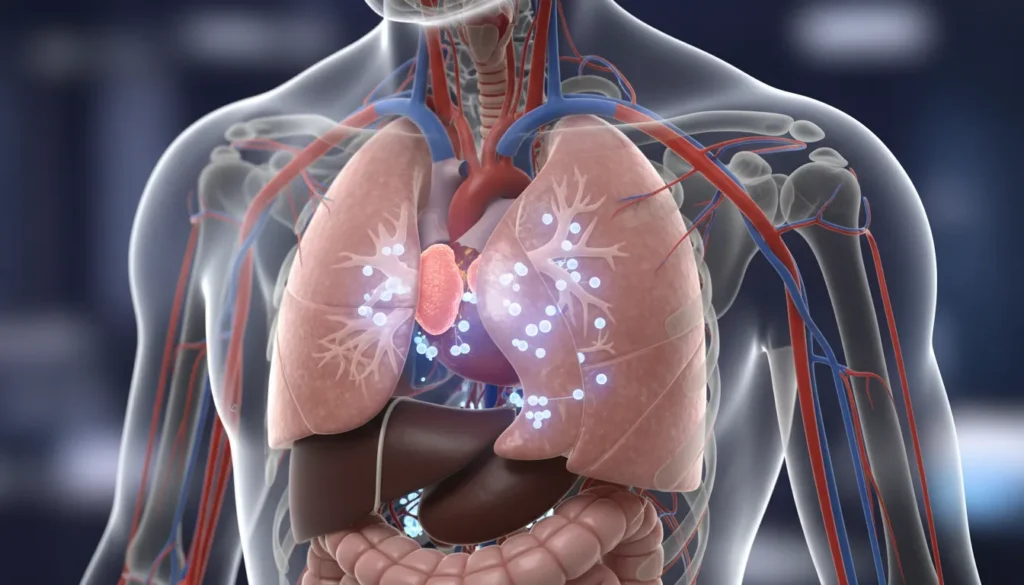

The thymus, a small gland located in the chest behind the sternum and in front of the heart, plays a crucial role in the immune system, particularly during childhood. However, recent studies have highlighted its continued importance in adult health. Despite its diminutive size, the thymus is integral to the development of T cells, a type of white blood cell specialized in targeting specific pathogens such as viruses and bacteria.
Traditionally, the thymus was thought to be primarily active during childhood, serving as a training ground for T cells. As individuals reach puberty, the thymus begins to shrink in a process known as thymic involution, where it is gradually replaced by fat. This change was believed to diminish its role in adulthood. However, new research published in Nature suggests that the thymus remains significant for adult health, influencing aging and immune responses.
In a recent study, researchers utilized deep learning technology to analyze chest CT scans from 5,000 participants, aiming to establish a “thymic health score” based on the gland’s size. Findings indicated that a healthier thymus is linked to reduced incidence and mortality from diseases such as lung cancer and cardiovascular conditions over a 12-year period, even after adjusting for factors like age, sex, smoking, and comorbidities.
The thymus retains residual activity in older adults, contributing to immune reserve and the ability to recognize new viruses, which is crucial during pandemics. The decline in thymic function, known as immunosenescence, is a key factor in the aging of the immune system. While the absence of a functional thymus in children leads to severe immunodeficiency, the effects of its decline in adults are more subtle, which historically led to less focus on the gland in mature patients.