

<meta name='description' content='Explore the vital role of chatbots in blogs, enhancing engagement and conversion rates through personalized experiences and best practices.’>
<meta name='keywords' content='chatbots in blogs, blogging, conversion rates’>
Introduction
In the evolving landscape of digital content, bloggers continually seek innovative tools to enhance audience engagement and conversion rates. Chatbots in blogs have emerged as a powerful solution, enabling instant communication with readers while delivering personalized experiences. This guide will delve into how effective chatbot implementation can not only streamline interactions but also significantly affect conversion metrics. Readers will learn the multifaceted roles of chatbots in blogs, discover best practices for integration, and understand the importance of measuring success to fully leverage this technology.
Summary
This article explores the vital role of chatbots in blogs, highlighting their ability to boost engagement and conversion rates. Discover best practices for implementation and learn how to measure their impact effectively.

Understanding the Role of Chatbots in Blogging
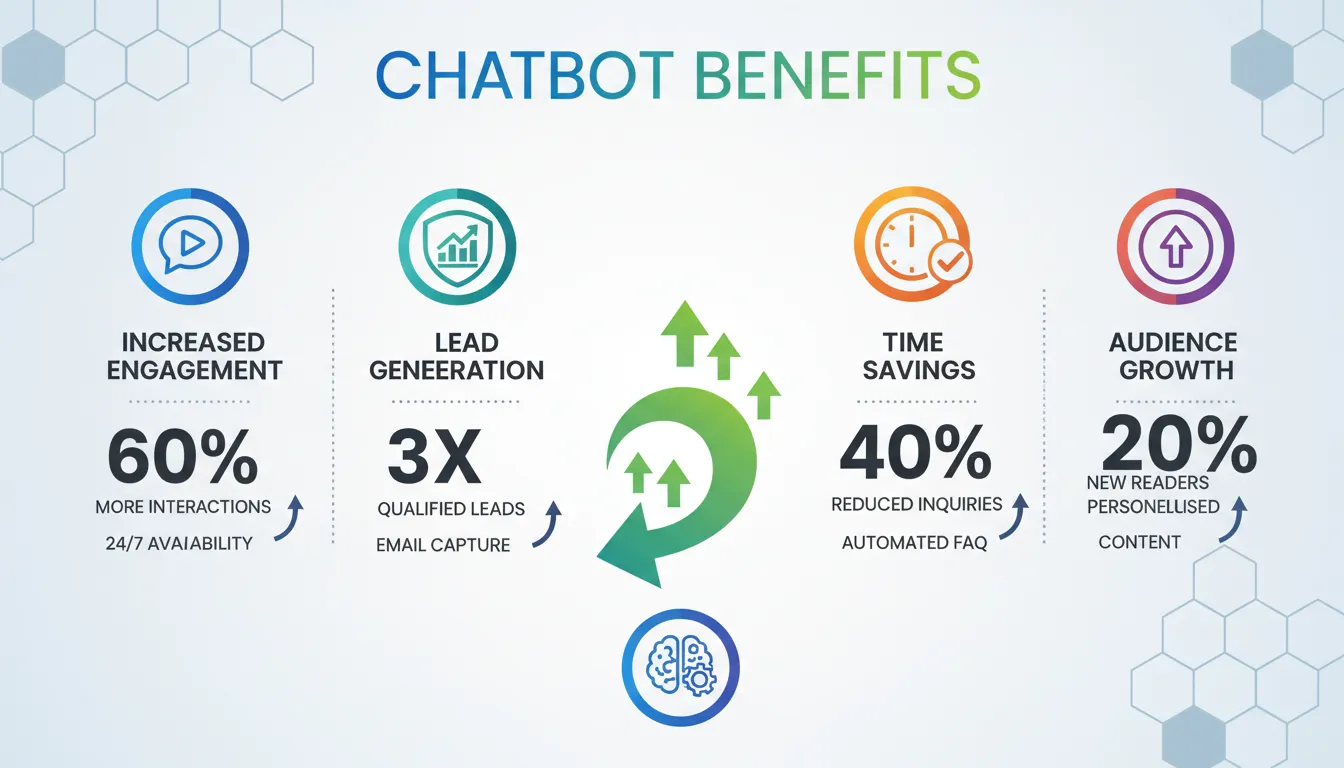
Chatbots in blogs have become an integral part of modern blogging strategies, enhancing the way bloggers interact with their audience and drive conversion rates. By automating communication, chatbots in blogs can provide immediate assistance, answer common queries, and guide users through the content seamlessly. This instant engagement is essential in today’s fast-paced digital landscape, where readers expect immediate gratification and quick responses.
One notable benefit of integrating chatbots in blogs is their ability to offer personalized experiences. With advanced algorithms and machine learning capabilities, chatbots in blogs can analyze user behavior and preferences, delivering tailored content recommendations. For instance, if a reader shows interest in a specific topic, the bot can suggest related articles or additional resources, thereby keeping visitors engaged and increasing the likelihood of conversions.
Additionally, chatbots in blogs can collect valuable data about user interactions, helping bloggers understand their audience better. This data can inform future content creation, marketing strategies, and customer service approaches. By analyzing user feedback and frequently asked questions, bloggers can continuously refine their content to better meet reader needs.
-
Provide 24/7 availability for readers.
-
Assist with lead generation by capturing visitor information.
-
Facilitate newsletter sign-ups and product promotions.
-
Improve user retention through follow-up interactions.
-
Enhance the overall user experience by reducing navigation friction.
In summary, chatbots in blogs serve multiple roles in blogging—from enhancing user interaction to streamlining data collection. Through the smart implementation of chatbots in blogs, bloggers can significantly boost their conversion rates and elevate the effectiveness of their overall content strategy.
Best Practices for Implementing Chatbots
Implementing chatbots in blogs effectively requires careful consideration of various factors to maximize their impact on conversion rates. Firstly, ensure that your chatbot is designed with a user-friendly interface. A clear, concise layout encourages user interaction. Incorporate conversational design principles, where the chatbot engages users in natural, flowing dialogues. This approach makes the experience feel less robotic and more human-like.
Secondly, define the primary purpose of your chatbot. Whether it’s to capture leads, answer FAQs, or guide users through the sales process, clarity in its function ensures that visitors receive relevant assistance. Tailoring responses based on user intent is crucial for enhancing engagement.
Thirdly, consider adding personalization features. By utilizing data from past interactions or user profiles, a chatbot can provide tailored recommendations and content, making users feel valued. A personalized experience dramatically increases conversion rates.
Additionally, integrate your chatbot with CRM systems for seamless data flow. This integration will provide chatbots in blogs with context about user interactions, enabling them to respond more effectively. Finally, continuously monitor and analyze chatbot performance. Use metrics like engagement rates and conversion rates to identify areas for improvement and make necessary adjustments.
Regular updates that refine the chatbot‘s responses and capabilities keep it aligned with user expectations. By applying these best practices, companies like Automação Teste can enhance the user experience and significantly boost conversion rates through effective chatbot implementation.
Enhancing Customer Engagement with Personalized Experiences
Implementing chatbots in blogs presents businesses with the opportunity to enhance customer engagement significantly by providing personalized experiences. When properly configured, these chatbots in blogs can collect data about user preferences and behaviors, allowing them to tailor responses and recommendations accordingly. For instance, if a visitor frequently reads articles on digital marketing, the chatbot can suggest related blog posts or even specific services offered by Automação Teste that align with their interests.
Moreover, personalized interactions foster a stronger connection between brands and customers. By recognizing returning users and recalling previous conversations, chatbots in blogs can create a seamless experience that makes visitors feel valued. This leads to increased satisfaction and loyalty. To maximize this effect, consider the following strategies:
-
User Profiling: Continuously gather and analyze data to build comprehensive profiles of users.
-
Personalized Recommendations: Utilize machine learning algorithms to suggest content and products based on user behavior.
-
Dynamic Conversations: Allow chatbots in blogs to adapt their dialogue based on user input, thereby maintaining relevancy and context.
-
Feedback Mechanism: Implement options for users to provide feedback, enabling continuous improvement of chatbot responses.
-
Multi-Channel Integration: Ensure your chatbot is integrated across various platforms to create a unified personalized experience.
By leveraging these strategies, Automação Teste can create a more engaging and interactive environment that encourages visitors to convert into loyal customers. Ultimately, the power of personalization in user interaction cannot be overstated, as it significantly impacts conversion rates and brand perception.
Leveraging AI for Conversion Optimization
Integrating AI technology into chatbots in blogs can significantly enhance conversion rates by delivering personalized experiences to users. These intelligent systems analyze data from user interactions and behaviors, allowing them to tailor responses based on individual preferences. For example, if a user frequently shows interest in a specific product category, the chatbot can prioritize these products in its recommendations, fostering a sense of relevancy and immediacy.
Moreover, AI can streamline the customer journey by predicting user needs and addressing potential barriers promptly. By employing advanced analytics, chatbots in blogs can identify common points of friction in the purchasing process. For instance, if data reveals that many users are abandoning their carts at a certain point, the chatbot can proactively engage with those users to provide assistance or address concerns, thereby reducing dropout rates.
Another critical aspect of leveraging AI is through A/B testing features that chatbots in blogs can incorporate. Utilizing machine learning algorithms, chatbots in blogs can optimize conversations in real time, adjusting scripts based on what resonates most with users. This data-driven approach enables businesses to continually refine their messaging.
-
Personalized recommendations: Suggesting products based on user behavior.
-
Real-time analytics: Monitoring user interactions for better engagement.
-
Dynamic A/B testing: Iteratively improving chatbot scripts.
-
Cart abandonment recovery: Engaging users who abandon their carts.
-
Customer sentiment analysis: Tailoring responses based on user emotions.
By leveraging these AI capabilities, businesses can create a more compelling and engaging experience, ultimately boosting conversion rates and driving sales effectively. For companies like Automação Teste, implementing such strategies can lead to significant improvements in conversion performance.
Measuring the Impact of Chatbots on Conversion Rates
Assessing the influence of chatbots in blogs on conversion rates is crucial for understanding their effectiveness. To quantify this impact, businesses should implement a structured approach that includes the following steps:
-
Define Key Performance Indicators (KPIs): Establish what metrics will be used to measure success, such as conversion rates, engagement levels, and user satisfaction.
-
Use A/B Testing: Conduct A/B tests by comparing the performance of a webpage with and without a chatbot. This helps in isolating the chatbot‘s effect on conversions.
-
Track User Interactions: Analyze how users engage with the chatbot. Metrics like the number of interactions, questions asked, and issues resolved can provide insights into user behavior and satisfaction.
-
Monitor Conversion Rates: Measure the overall conversion rates before and after implementing the chatbot. A significant increase can often be traced back to chatbot interactions.
-
Gather User Feedback: Solicit feedback from users regarding their experience with the chatbot. This qualitative data can provide context to the quantitative metrics.
For example, Automação Teste implemented a chatbot on their blog, focusing on providing immediate responses to user queries. After three months, they found a 30% increase in their conversion rates, attributed directly to the chatbot‘s ability to assist visitors swiftly. Continuous monitoring is essential, as conversion impacts may evolve over time with different user demographics. In conclusion, accurately measuring the impact of chatbots in blogs on conversion rates involves a combination of analyzing statistical data and gathering user insights.
Conclusion
In conclusion, the integration of chatbots in blogs into blogging strategies presents a transformative opportunity for enhancing user engagement and driving conversion rates. By effectively utilizing chatbots in blogs, bloggers can provide immediate support, personalized content, and valuable insights into their audience’s preferences. Implementing best practices, such as user-friendly design and measurable KPIs, ensures that these tools not only meet user expectations but exceed them. For brands like Automação Teste, leveraging chatbots in blogs creates a seamless interaction that fosters loyalty and satisfaction among readers. As blogging continues to evolve, embracing the power of chatbots in blogs technology will be essential for staying competitive and maximizing conversion success.